
Discover the Rich History of Mount Pleasant, SC: A Real Estate Perspective
Discover the Rich History of Mount Pleasant, SC: A Real Estate Perspective
Nestled along the scenic shores of the Wando River, Mount Pleasant, South Carolina, offers more than just picturesque views and a vibrant community—it boasts a rich history that adds depth and character to its real estate landscape. Whether you're considering buying a home or simply exploring the area, understanding the history of Mount Pleasant can provide valuable context to its neighborhoods and properties.
Early Beginnings: From Sewee Tribe to European Settlement
The land now known as Mount Pleasant was originally inhabited by the Sewee people, an Algonquian-speaking tribe. European settlers arrived in 1680, led by Captain Florentia O'Sullivan, who was granted 2,340 acres that included the future site of Mount Pleasant. This early settlement laid the foundation for what would become a thriving community.
Plantation Era and Agricultural Roots
In the 18th century, Mount Pleasant's fertile soil and access to waterways made it an ideal location for plantations. Notably, Charles Pinckney acquired a 715-acre plantation in 1754, cultivating rice and indigo. Known as Snee Farm, this plantation played a significant role in the area's agricultural development and is a testament to the region's historical ties to plantation life.
Civil War and Strategic Importance
Mount Pleasant's strategic location made it a focal point during the Civil War. In 1860, a public meeting in Mount Pleasant led to the first secession resolution passed in South Carolina. During the war, the town was defended by a line of fortifications, and Battery Guerry served as a base for attacks on Fort Sumter. These historical events have left an indelible mark on the community's heritage.
Post-War Growth and the Rise of Mount Pleasant
Following the Civil War, Mount Pleasant transitioned from an agricultural economy to a more diversified one. The construction of the Pitt Street Bridge in 1899 facilitated easier access to Charleston, spurring residential development. The Old Village area, with its charming historic homes and tree-lined streets, became a desirable place to live, reflecting the town's evolution into a suburban community with deep historical roots.
Modern Mount Pleasant: A Blend of History and Contemporary Living
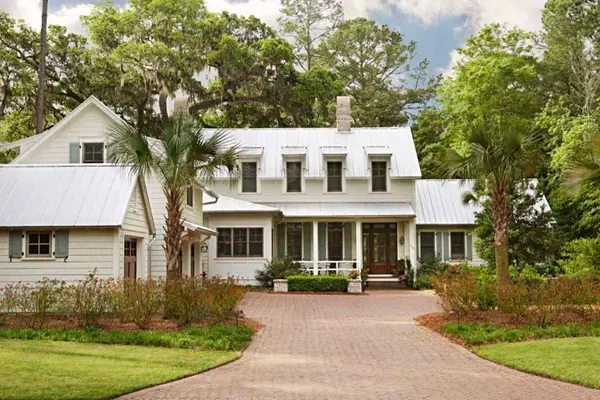
Today, Mount Pleasant seamlessly blends its rich history with modern amenities. The Old Village Historic District, listed on the National Register of Historic Places, showcases 18th and 19th-century architecture, offering a glimpse into the past. Meanwhile, newer developments provide a range of housing options, from waterfront properties to family-friendly neighborhoods.
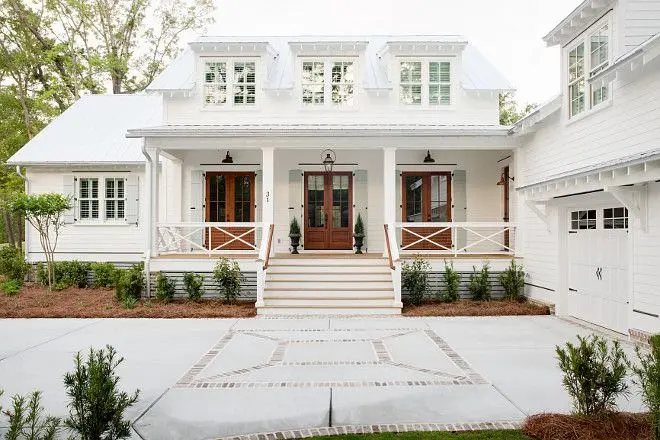
For those interested in real estate, Mount Pleasant offers diverse opportunities. Historic homes in the Old Village provide character and charm, while newer constructions offer modern conveniences. Proximity to top-rated schools, parks, and the vibrant downtown Charleston area make it an attractive option for families and professionals alike.
Why Understanding Mount Pleasant's History Matters
Understanding the history of Mount Pleasant can enhance your appreciation of its neighborhoods and properties. Historical landmarks and events have shaped the community's character, influencing architectural styles and neighborhood layouts. Whether you're looking for a home with historical significance or a modern property with easy access to Charleston, Mount Pleasant's rich history offers a unique perspective on its real estate offerings.
If you're considering making Mount Pleasant your home, exploring its historical roots can provide valuable insights into the community's evolution and what makes it a special place to live.
Recent Posts